
Blog
Engine Coolers: Keep Your Engine Running Smoothly
Aug
Engine Coolers: Keep Your Engine Running Smoothly
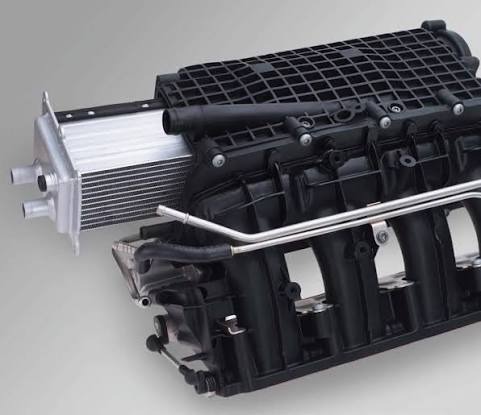
Engine Coolers: Keep Your Engine Running Smoothly. Engines generate a significant amount of heat during operation, and managing this heat is essential for maintaining performance, efficiency, and durability. Engine coolers play an important role in controlling engine temperature by removing excess heat and helping engines operate within a safe temperature range. Whether used in marine engines, industrial machinery, automotive systems, or heavy-duty equipment, engine cooling solutions help prevent overheating and support reliable performance.
What Are Engine Coolers?
An engine cooler is a component designed to regulate engine temperature by transferring heat away from critical engine parts. During operation, fuel combustion and mechanical movement create high levels of heat. Without an effective cooling system, excessive heat can damage engine components, reduce efficiency, and shorten engine lifespan.
Engine coolers use different methods to remove heat, including air cooling, liquid cooling, and heat exchange systems. The right type of cooler depends on the engine design, operating environment, and performance requirements.
Why Engine Cooling Is Important
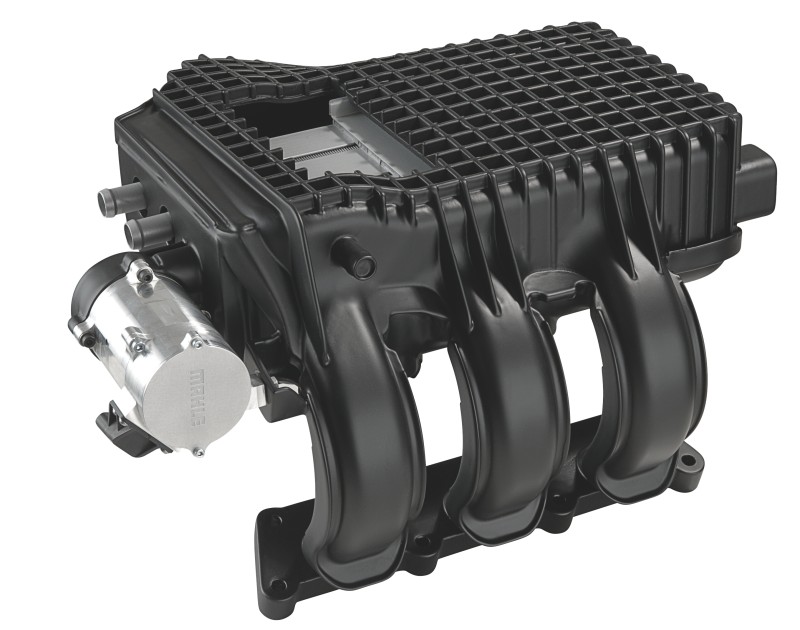
Proper temperature control is one of the most important factors in engine performance. When an engine runs too hot, several problems can occur, including reduced lubrication, increased wear, and potential component failure. Engine coolers help maintain stable temperatures and allow engines to perform efficiently under different conditions.
A reliable cooling system provides several advantages:
- Helps prevent overheating
- Improves engine efficiency
- Protects internal components
- Supports consistent performance
- Extends engine service life
- Reduces maintenance requirements
By maintaining the correct operating temperature, engine coolers contribute to smoother and more dependable engine operation.
Types of Engine Coolers
Different engines require different cooling solutions. Understanding the common types helps users choose the right option for their needs.
Air Engine Coolers
Air cooling systems use airflow to remove heat from the engine. These systems often include cooling fins or fans that increase heat dissipation. Air engine coolers are simple in design, lightweight, and commonly used in smaller engines and equipment where space is limited.
Liquid Engine Coolers
Liquid cooling systems use coolant fluid to absorb heat from the engine and transfer it away. The heated coolant moves through a radiator or heat exchanger where the heat is released before the cooled fluid returns to the engine.
Liquid engine coolers provide efficient temperature control and are widely used in vehicles, boats, generators, and industrial equipment.
Marine Engine Coolers
Marine coolers often use seawater or freshwater cooling systems combined with heat exchangers to maintain proper engine temperature.
These systems help protect boat engines from excessive heat during long periods of operation and support reliable performance on the water.
How Engine Coolers Work
Engine coolers operate by transferring heat from the engine to another medium, such as air or liquid. The process depends on the type of cooling system.
In liquid cooling systems, coolant flows around heated engine components and absorbs heat. The warm coolant then moves to a cooler or heat exchanger, where the heat transfers away. The cooled liquid returns to the engine to continue the process.
This continuous heat exchange allows the engine to maintain a stable temperature even during heavy workloads.
Key Benefits of Using Engine Coolers
Better Engine Performance
Engines perform best when they operate within the recommended temperature range. Engine coolers help maintain consistent temperatures, allowing engines to deliver reliable power and efficiency.
Increased Engine Protection
Excessive heat can damage engine parts such as pistons, cylinders, seals, and bearings. A quality cooling system reduces heat-related stress and protects important components.
Improved Fuel Efficiency
When an engine maintains proper operating temperatures, it can burn fuel more efficiently. This helps improve overall fuel economy and reduces unnecessary energy loss.
Longer Engine Life
Heat is one of the biggest causes of engine wear. By controlling temperature, engine coolers reduce thermal stress and help extend the working life of the engine.
Choosing the Right Engine Cooler
Selecting the correct engine cooler depends on several factors, including engine size, application, operating conditions, and cooling requirements.
Important considerations include:
Engine Type: Different engines require different cooling systems. A small recreational engine may need a compact cooler, while industrial engines require heavy-duty cooling solutions.
Operating Environment: Engines used in hot climates, marine conditions, or high-load applications need cooling systems designed for demanding conditions.
Material Quality: Durable materials such as aluminum, stainless steel, and corrosion-resistant alloys provide better performance and longer service life.
Cooling Capacity: The cooler should provide enough heat transfer ability to handle the engine’s operating temperature and workload.
Maintenance Tips for Engine Coolers
Regular maintenance helps engine coolers perform effectively and prevents unexpected issues. Some important maintenance practices include:
- Checking coolant levels regularly
- Inspecting hoses and connections for leaks
- Cleaning cooling passages and surfaces
- Removing dirt or debris that blocks airflow
- Monitoring engine temperature during operation
- Replacing damaged cooling components when needed
Proper care ensures the cooling system continues to protect the engine and maintain reliable performance.
Common Signs of Cooling Problems
A failing engine cooler can cause noticeable performance issues. Some common warning signs include:
- Rising engine temperature
- Reduced engine power
- Coolant leaks
- Unusual noises from cooling components
- Frequent overheating warnings
- Increased fuel consumption
Addressing these problems early helps prevent expensive engine repairs.
Conclusion
Engine coolers are essential components that help engines manage heat and maintain dependable performance. From vehicles and marine engines to industrial machines, effective cooling systems protect engine components, improve efficiency, and support long-term operation.
Choosing a high-quality engine cooler and maintaining it properly ensures that your engine remains reliable in demanding conditions. With the right cooling solution, engines can operate smoothly, efficiently, and safely for years.
